
unique fashion is a vibrant expression of heritage, identity, and personal style. From regional textiles to contemporary silhouettes, it brings tradition into conversation with the way people dress today.
Unique fashion is more than clothing: it can carry memories, mark celebrations, and express a connection to family and community. Across South Asia and its diaspora, garments such as saris, salwar kameez, lehengas, kurtas, and sherwanis are worn in countless ways. Their meanings and styles vary, reflecting the people and places behind them.
To Learn More, Join Us On Our Instagram Page
A World of Color
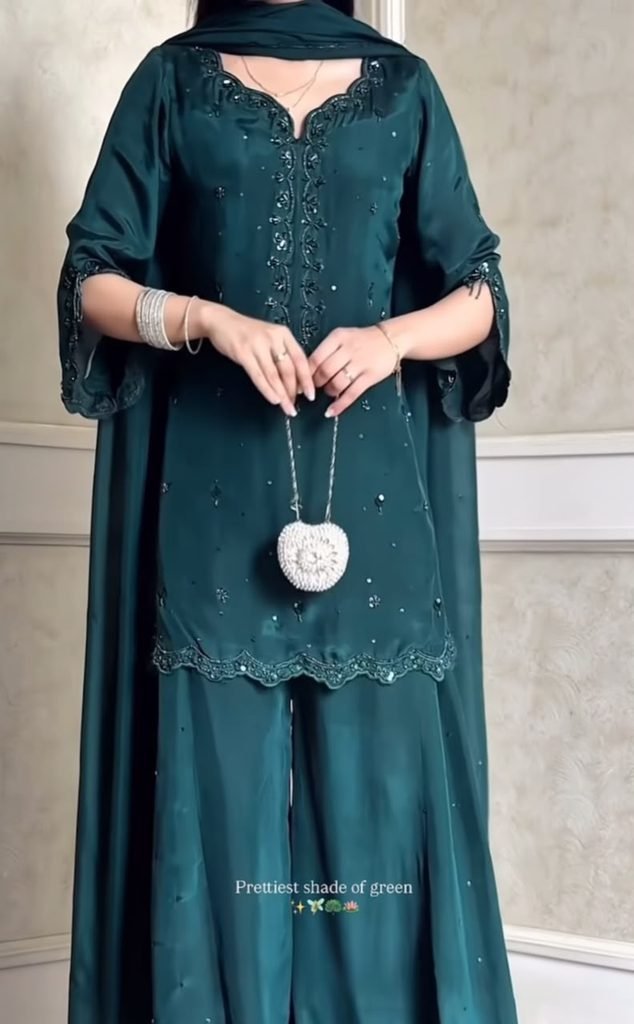
Color is often the first thing we notice. Bold reds, fuchsias, marigolds, and jewel tones can bring a festive feel, while soft shades and neutrals create a more understated look. Color choices are personal and depend on the wearer, the occasion, and cultural context—there is no single set of rules for all desi fashion.
Regional Styles, Shared Heritage
There is no one look that represents the whole of desi fashion. A Bengali sari, Punjabi phulkari, Gujarati chaniya choli, Kashmiri pheran, and South Indian silk sari each have distinct histories and details. Fabrics, draping, cuts, and embellishments can vary not only by region, but also by community and family.
The Art of unique fashion Craftsmanship
Handwork gives many garments their character. Embroidery, weaving, block printing, mirror work, beadwork, and hand-dyeing transform textiles through skill passed between generations. Techniques such as chikankari, kantha, zardozi, and bandhani each have their own traditions, while contemporary makers continue to reinterpret them.
Fabric, Feel, and Movement
A garment’s fabric shapes how it looks and feels. Cotton is often chosen for comfort, silk for its sheen and drape, and wool for warmth. Linen, chiffon, georgette, and blended fabrics offer more options. The weight, texture, and movement of a material can influence everything from the garment’s silhouette to when it is worn.
Tradition Meets Contemporary Style
Desi fashion keeps evolving. People pair kurtas with jeans, experiment with sari blouses, or style dupattas in new ways. Designers and wearers alike adapt familiar silhouettes, creating outfits that feel both rooted and current. These combinations make room for individual expression without treating tradition as something fixed in the past.
Clothing for Life’s Occasions
Clothing often reflects the moment. A wedding or festival may call for elaborate embroidery and rich fabrics, while everyday outfits tend to prioritize comfort and practicality. Getting dressed can be part of the occasion itself—a way to celebrate, feel connected, or simply express a personal mood.
Wearing Heritage Across Generations
For people in the diaspora, desi clothing can offer a tangible connection to heritage and home. A family heirloom or regional textile may carry memories across borders. Younger generations often combine inherited styles with their own influences, allowing traditions to continue while making space for new interpretations.
A More Thoughtful Approach to Fashion
Sustainability is also part of the conversation. Repairing, rewearing, borrowing, and tailoring garments are practical ways to extend their lives. Choosing well-made pieces and supporting craftspeople can help sustain skilled work. These approaches offer thoughtful ways to appreciate clothing beyond a single season or occasion.
A Living Expression of Identity
What makes desi fashion unique is the interplay of color, culture, and craft—and the people who give each garment meaning. Its variety cannot be summed up in one trend or outfit. Whether worn for a celebration or an ordinary day, desi clothing can tell a story shaped by history, creativity, and the wearer’s own sense of style.
To Shop, Click here